Pastel Striped Retro Pattern: A Timeless Design Element for Modern Creativity
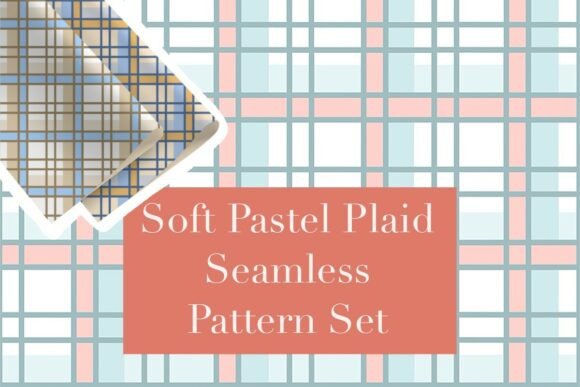
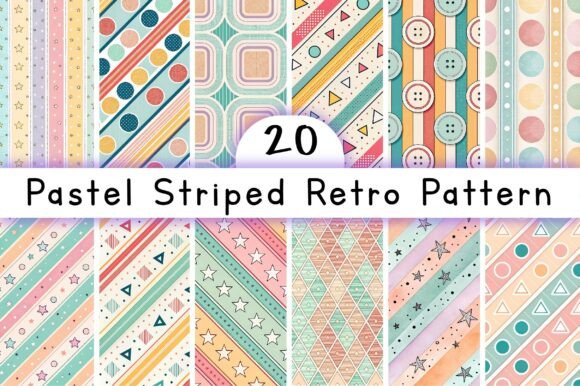
Design trends come and go, but certain aesthetics have a way of standing the test of time. The Pastel Striped Retro Pattern is one such design element that seamlessly blends nostalgia with contemporary appeal. Featuring soft, muted tones like pink, teal, orange, and yellow in clean, repeating stripes, this pattern offers a versatile and charming visual language. Whether you're working on a creative project, branding initiative, or personal craft, these patterns provide a foundation for expression while maintaining a cohesive and appealing look.
Understanding the Pastel Striped Retro Pattern
The Pastel Striped Retro Pattern draws inspiration from mid-century design, characterized by its simplicity and warmth. The use of pastel colors evokes a sense of calm and playfulness, making it ideal for a wide range of applications. Unlike bold or high-contrast retro styles, this version uses gentle hues to create a more approachable and modern feel. It’s not just about looking back; it's about adapting vintage charm into today's workflows and projects.
These patterns are typically available in both JPG and PNG formats, often at high resolutions (like 4096 x 4096 pixels) and 300 DPI. This ensures crisp, clear visuals whether printed or used digitally. The inclusion of both transparent and non-transparent backgrounds gives users flexibility depending on their specific needs—be it overlaying designs on websites or using them as stickers in print materials.
Integration Into Creative Projects
When starting a new creative endeavor, selecting the right visual elements can set the tone for your entire project. The Pastel Striped Retro Pattern serves as a great base for scrapbooking, paper crafts, and even digital art. Its soft color palette makes it easy to pair with other textures and fonts without clashing, allowing for a harmonious composition.
For those working on home decor, consider using this pattern in printable wall art or custom wrapping paper. The subtle yet distinctive style complements a variety of interior themes, from minimalist Scandinavian to cozy bohemian spaces. When designing packaging for a small business, these files can be layered onto product boxes or gift bags to give them a nostalgic, handcrafted feel.
Before the Project: Planning and Preparation
Before incorporating the Pastel Striped Retro Pattern into your work, it's important to define the purpose and context. Are you aiming for a vintage-inspired theme? Or do you want to add a touch of whimsy to something otherwise modern? Answering these questions early helps determine how much of the pattern to use and where it should appear in your layout.
- Define the scope: Will the pattern be the main visual or an accent?
- Consider the audience: Soft pastels may appeal more to younger demographics or niche markets.
- Match with existing brand assets: Ensure the pattern aligns with your logo, typography, and color scheme.
Organizing your digital assets beforehand also streamlines implementation. If you're downloading a zip file containing multiple versions (JPG, PNG), categorize them based on usage type—such as print-ready vs. web-optimized—to avoid confusion later.
During the Project: Application and Execution
Once you’ve planned the role of the Pastel Striped Retro Pattern, it's time to bring it into your workflow. For scrapbooking enthusiasts, these images can serve as background templates or decorative accents. Layering them under photos or journaling adds depth and visual interest without overwhelming the content.
In digital marketing, the pattern can be used subtly in social media graphics or email headers. Its softness prevents it from distracting from key messages while still adding a unique flair. Educators might use it in printable worksheets or flashcards to make learning materials more engaging and visually accessible.
Here are some practical tips for integrating the pattern during execution:
- Use image editing software like Photoshop or Canva to adjust size and opacity.
- Overlap the pattern with text layers for a clean, readable result.
- Combine with complementary textures like linen or watercolor washes for added depth.
After the Project: Refinement and Long-Term Use
After completing a project, it's crucial to review how well the Pastel Striped Retro Pattern served its purpose. Did it enhance the overall aesthetic? Was it too busy or did it blend too much with surrounding elements? These reflections help improve future design choices and ensure consistency across your work.
If you’re using these files for recurring tasks like packaging or blog headers, save them in a dedicated folder within your asset library. Naming conventions can include details like "Pastel_Stripes_Retro_Layout_A" or "Teal_Pink_Stripe_Background," helping you locate them quickly when needed.
Additionally, consider creating variations of the pattern using graphic design tools. By adjusting the spacing between stripes or blending two different pastel palettes, you can generate custom versions that better suit your evolving needs. Always maintain a backup of original files to preserve quality and adaptability.
Compatibility and Usability Across Platforms
One of the strengths of the Pastel Striped Retro Pattern is its compatibility with various platforms and tools. In print, it works well with standard inkjet and laser printers due to its low contrast and soft tones. Online, it pairs nicely with HTML/CSS frameworks for website backgrounds or social media banners. Because the pattern is included in both JPG and PNG formats, you can choose which suits your medium best—PNG for transparency, JPG for faster loading times on the web.
Freelancers and entrepreneurs often need to maintain a consistent visual identity across all touchpoints. Using the same pastel striped pattern in business cards, packaging, and promotional materials reinforces brand recognition. For educators or bloggers, embedding the pattern into downloadable resources or templates creates a professional yet inviting appearance.
Workflow Examples and Real-World Applications
To illustrate how the Pastel Striped Retro Pattern fits into real-world workflows, here are a few examples:
Example 1: Scrapbooking Layout
A scrapbooker begins by selecting a theme, such as a summer vacation. They download the Pastel Striped Retro Pattern and open it in their preferred design tool. After resizing the image to fit their page dimensions, they place it behind photos and journaling blocks. To prevent the pattern from overpowering the content, they reduce the opacity slightly and add a white border around the central area. Finally, they export the layout at 300 DPI for printing.
Example 2: Brand Packaging
An artisan soap maker wants to refresh their packaging to stand out in a competitive market. They decide to use the Pastel Striped Retro Pattern as a background for their labels. By importing the PNG file into Adobe Illustrator, they layer it over a white base and add their product name and ingredients in a matching vintage font. The final design is sent to a local printer for high-quality production.
Example 3: Digital Marketing Assets
A lifestyle blogger creates a new Instagram post promoting a weekend workshop. They use the Pastel Striped Retro Pattern as a subtle background texture in the header image. With a transparent PNG, they overlay a call-to-action button and event details, ensuring readability and alignment with their site's branding. The result is a cohesive, eye-catching post that encourages engagement without being overly busy.
Practical Tips for Efficient Implementation
Using the Pastel Striped Retro Pattern effectively requires attention to detail and thoughtful planning. Here are some actionable suggestions:
- Always check resolution before final output to avoid pixelation.
- Use grid tools in design software to align the pattern precisely with other elements.
- Experiment with color overlays if you want to customize the pattern further.
- Keep a master copy of the pattern in your design library for quick access.
- Test the pattern in different lighting conditions if intended for physical use.
By following these steps, you can integrate the pattern into your work with confidence and clarity, knowing it will perform well in both digital and print formats.
Quality Control and Consistency
Maintaining consistency is vital when using any design element repeatedly. Establish a style guide that includes how the Pastel Striped Retro Pattern should be used—such as recommended placement, sizing, and accompanying color schemes. This ensures that all materials remain aligned with your brand or project’s visual identity.
Regularly review the pattern's performance in different contexts. For instance, if it looks too washed out in print, consider increasing contrast slightly or adjusting brightness. Similarly, if it appears too flat online, try adding a slight gradient or shadow effect to give it more dimension.
Maximizing Efficiency in Your Workflow
Efficiency in design comes down to smart organization and reusability. Once you've established a workflow that includes the Pastel Striped Retro Pattern, automate repetitive tasks where possible. Save frequently used combinations as templates in tools like Canva or Figma so you can quickly reuse them for similar projects.
Also, consider how the pattern interacts with other components of your design. Does it complement the font styles you're using? Are there enough negative spaces to allow for legibility? Answering these questions upfront can save time and revisions later.
Conclusion: Elevating Creativity with Nostalgic Flair
The Pastel Striped Retro Pattern isn’t just a decorative element—it's a strategic choice that can elevate the visual appeal of your work while maintaining functionality. Whether you're a hobbyist, marketer, educator, or entrepreneur, understanding how to plan, apply, and refine this pattern ensures it becomes a valuable part of your creative toolkit.
As you move forward with your next project, remember that thoughtful integration leads to stronger outcomes. The Pastel Striped Retro Pattern is a testament to how vintage aesthetics can inspire modern creativity. Used wisely, it adds character and charm without compromising usability or professionalism.