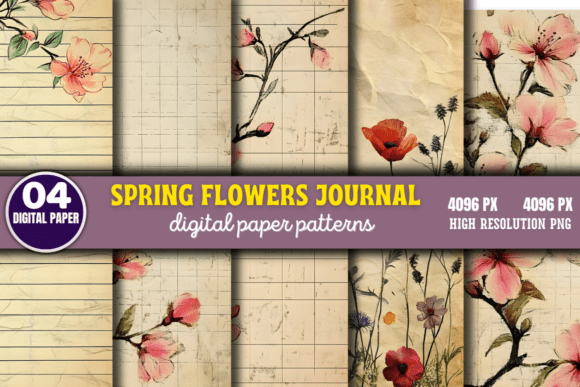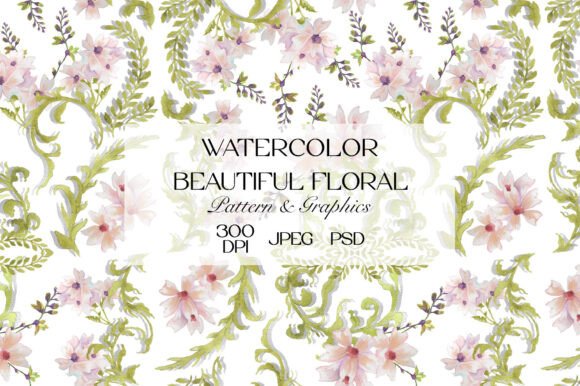
Bringing Spring to Life: The Elegance of the Watercolor Spring Flowers Pattern
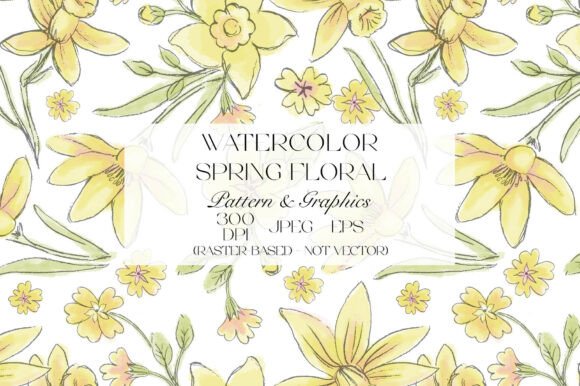
As the seasons change and the first signs of spring begin to bloom, many designers and creatives seek patterns that evoke warmth, renewal, and a sense of natural beauty. One such option is the Watercolor Spring Flowers Pattern, a versatile and visually appealing design that brings a touch of sunshine to any project. This pattern is hand-drawn in a soft watercolor style, featuring delicate flowers and green leaves arranged seamlessly for effortless integration into various creative works.
What Makes the Watercolor Spring Flowers Pattern Unique?
The Watercolor Spring Flowers Pattern stands out due to its gentle aesthetic and organic feel. Unlike stark digital designs or overly stylized vector patterns, this artwork captures the subtle variations and fluidity of real-life brushstrokes. The use of yellow as a dominant color adds a cheerful and uplifting tone, making it an ideal choice for spring-themed projects. The inclusion of green leaves further enhances the natural vibe, offering a balance between vibrancy and subtlety.
One of the key features of this pattern is its seamless nature. Whether you're designing fabric prints, stationery, or digital backgrounds, the pattern tiles smoothly without visible seams or repetition artifacts. This makes it particularly valuable for professionals who require high-quality, repeatable designs without manual adjustments.
Raster-Based Artwork and File Format Considerations
It's important to note that although the file is provided in EPS format, the artwork inside is raster-based. This means it is composed of pixels rather than scalable vector shapes. While EPS is often associated with vectors, in this case, it serves as a container for the high-resolution raster image. This format ensures compatibility with most design software while preserving the detailed texture and soft gradients typical of watercolor styles.
Alongside the EPS file, users receive JPEG previews at 300dpi resolution—ideal for quick assessments and mock-ups before finalizing their designs. These previews maintain clarity and detail, allowing for accurate visualization of how the pattern will appear when applied to different mediums.
Comparing the Watercolor Spring Flowers Pattern with Similar Options
When selecting a floral pattern for your next project, it’s essential to understand the strengths and limitations of different types of designs. The Watercolor Spring Flowers Pattern can be compared with other common categories such as:
- Vector Floral Patterns: These are mathematically defined and infinitely scalable without loss of quality. However, they often lack the painterly depth and texture found in watercolor styles.
- Digital Flat-Design Florals: Clean and modern, these are great for minimalist aesthetics but may not convey the same warmth or realism as the Watercolor Spring Flowers Pattern.
- Photographic Floral Prints: Realistic and rich in detail, but they can be difficult to tile seamlessly and may require heavy editing for reuse.
- Hand-Painted Seamless Patterns: These offer a similar artistic feel but vary widely in quality and consistency. The Watercolor Spring Flowers Pattern is professionally crafted and tested for seamlessness.
Each of these options has its place depending on the desired outcome. For instance, if you’re working on a logo or icon that needs to scale perfectly across multiple platforms, a vector floral might be more suitable. But for applications like wallpaper, fabric, or greeting cards where texture and softness matter, the Watercolor Spring Flowers Pattern offers a compelling alternative.
Strengths and Tradeoffs
The Watercolor Spring Flowers Pattern shines in several areas:
- Visual Appeal: Its soft, blended colors and hand-painted elements give it a unique charm that is both eye-catching and soothing.
- Seamless Repetition: The pattern is carefully designed to repeat without interruption, saving time during layout creation.
- Versatility: It works well in a range of formats including print and digital media, and is compatible with popular tools like Adobe Illustrator and Photoshop.
- High Resolution: The 300dpi JPEG previews and EPS file ensure crisp output even when scaled up for large prints or close-up displays.
However, there are some tradeoffs to consider. Since it is raster-based, extreme scaling could lead to pixelation or reduced clarity. Additionally, while the pattern is seamless, customizing individual elements (like resizing specific flowers) may be more challenging compared to fully editable vector files. Designers who need complete control over each component may find themselves needing to layer or edit parts manually.
Best-Fit Applications for the Watercolor Spring Flowers Pattern
This pattern is particularly well-suited for projects where a natural, warm, and artistic feel is desired. Some of the best-fit applications include:
- Fabric Printing: Ideal for home décor items like curtains, tablecloths, or cushion covers. The soft hues and leafy accents complement linen and cotton textiles beautifully.
- Packaging Design: Use it for eco-friendly product packaging, gift boxes, or seasonal items that benefit from a fresh and inviting look.
- Stationery and Invitations: The pattern can add a charming backdrop to thank-you cards, wedding invites, or seasonal greetings.
- Wallpapers and Digital Backgrounds: Perfect for websites, mobile apps, or social media headers that aim to evoke a light-hearted, nature-inspired atmosphere.
In each of these scenarios, the pattern’s ability to blend into the background while still providing visual interest is a major asset. It doesn’t overpower the content it supports, which is crucial in designs where readability and focus are key.
When to Choose Another Option
While the Watercolor Spring Flowers Pattern is excellent for many purposes, it may not always be the best fit. Here are a few situations where another type of pattern might be preferable:
- If your project requires full scalability—such as branding materials that must be used at various sizes—a vector-based floral pattern would be more appropriate.
- For highly structured or geometric designs, a flat-style or minimal floral pattern might align better with the overall theme.
- Projects that involve intricate customization, such as isolating certain flower elements for use in logos or icons, may benefit from fully layered vector art.
- Commercial products requiring strict print specifications, like high-end fashion lines, may demand higher technical flexibility that this pattern does not provide.
Understanding your project's requirements and the characteristics of the pattern will help determine whether it fits your needs or if another resource is better suited.
Practical Examples of Usage
To illustrate how the Watercolor Spring Flowers Pattern can be effectively used, here are a few realistic examples:
- Spring Collection Packaging: A boutique skincare brand uses the pattern on their new line of seasonal lotions and face masks, enhancing the product's appeal with a clean yet botanical look.
- Wedding Stationery: A designer incorporates the pattern subtly into the background of save-the-date cards and envelope liners, giving them a fresh and romantic feel without distracting from the main text.
- Home Décor Fabric: A textile artist applies the pattern to reusable grocery bags and throw pillow covers, creating pieces that are both functional and aesthetically pleasing.
- Digital Content: A blogger creates a seasonal website header using the pattern as a background, adding a cohesive and inviting visual theme to their spring content series.
These examples show the pattern’s adaptability and how it can enhance both physical and digital projects with ease and elegance.
Exploring Alternatives Within the Same Style
If the Watercolor Spring Flowers Pattern appeals to you but you're looking for variation, consider exploring other seamless watercolor patterns that feature different color palettes or plant species. Some alternatives might include:
- Blue and White Watercolor Blossoms: Offers a cooler, more serene version of the same aesthetic.
- Monochrome Botanicals: Suitable for black-and-white or grayscale projects, maintaining the watercolor feel without color interference.
- Layered Watercolor Elements: Provides more depth by separating flowers, leaves, and stems into distinct layers, allowing for greater customization.
Choosing the right pattern depends on the context and medium. If you're working within tight color constraints or prefer a more subdued design, these variations can be worth considering.
How to Incorporate the Pattern into Your Workflow
Using the Watercolor Spring Flowers Pattern is straightforward thanks to its ready-to-use format. Here are a few tips for integrating it into your design process:
- Always start with the 300dpi JPEG preview to assess how the pattern looks in context before applying the EPS file.
- Use layer blending modes in Photoshop to adjust opacity or merge the pattern with solid colors for a softer effect.
- For fabric printing, ensure the design software you use supports high-resolution raster imports to preserve quality during production.
- Consider pairing it with complementary fonts and colors that reflect the same natural, light aesthetic to maintain harmony in your design.
Its simplicity and quality make it easy to implement, especially for those who want to avoid the complexity of creating their own seamless tiling from scratch.
Why Visit a Shop That Updates Weekly?
The shop offering the Watercolor Spring Flowers Pattern is known for regularly updating its collection with new seamless patterns, prints, and illustrations. This means that if one design doesn’t quite suit your current project, there may be another one just released that does. Weekly updates also keep the content fresh and relevant, reflecting current trends and seasonal themes.
By following such a shop, you gain access to a growing library of artistic resources tailored for professional and personal use. Whether you're an experienced designer or a hobbyist crafting invitations, having a steady stream of curated patterns simplifies the research and selection process.
Final Thoughts on Choosing the Right Pattern
The Watercolor Spring Flowers Pattern is a high-quality, versatile design that brings the essence of spring into your work. Its hand-drawn, soft appearance sets it apart from more rigid or stylized alternatives, making it a go-to choice for projects that prioritize warmth and natural charm. However, understanding the difference between raster and vector formats is crucial to ensure it meets your technical needs.
When evaluating patterns for your next creative endeavor, consider the intended use, required scalability, and the level of customization you need. The Watercolor Spring Flowers Pattern excels in environments where visual appeal and a seamless finish are paramount, but it may not be the best choice for every situation.
If you're looking for a reliable, ready-to-use design that embodies the spirit of spring, this pattern is certainly worth a closer look. As new patterns continue to be added each week, staying updated through the shop ensures you never miss a design that might be perfect for your next project.